E-commerce Accountants UK Blog
Accounting, VAT, and tax guides written specifically for UK e-commerce businesses and online sellers.

E-commerce Accounting Explained
E-commerce owners need P&L, Balance Sheet, and Cash Flow statements monthly to track profit margins typical in Shopify stores. These three statements form the foundation of GAAP-compliant financial re...

Tax Rules for Online Businesses in the UK
UK online businesses must register for Self-Assessment within 3 months of starting trading and VAT if exceeding the £90,000 VAT threshold (2024 rates). All traders need to file annual Self-Assessment ...

VAT for Shopify and Amazon Sellers
Value Added Tax (VAT) is a consumption tax levied on goods and services at each stage of production and distribution, averaging 21% across EU countries per Directive 2006/112/EC. This multi-stage cons...

Accounting for Amazon FBA Sellers
Amazon FBA sellers face 17+ unique fee types and complex inventory flows that standard QuickBooks setups fail to handle, resulting in profit miscalculations. Traditional retail accounting does not acc...

Cross Border VAT for Online Sellers
Cross-border VAT affects online sellers exceeding €10,000 EU thresholds, differing fundamentally from US VAT systems. VAT acts as a consumption tax collected at each supply chain stage, while US...

E-commerce Bookkeeping Best Practices
A well-structured chart of accounts in QuickBooks Online or Xero separates e-commerce revenue streams like Shopify sales, Amazon FBA, and digital downloads from COGS and operational expenses. This set...

How to Track Online Sales and Expenses
Tracking sales and expenses reduces business failure risk by 82% according to CB Insights analysis of 250+ startups, while QuickBooks users report 25% faster decision-making. Many online businesses fa...

Accounting Software for E-commerce Businesses
E-commerce businesses face 3-5x more complex accounting than traditional retail due to multi-channel sales across Shopify, Amazon, and Etsy requiring specialised software like QuickBooks Online or Xer...

Inventory Accounting Explained
Proper inventory accounting can boost gross margins through accurate COGS calculation. Businesses rely on precise stock valuation to reflect true costs. This practice supports better decision-making a...

Profit Margins in E-commerce Explained
Profit margins measure financial health by showing what percentage of revenue becomes profit after costs, with e-commerce businesses targeting 20-40% gross margins and 5-10% net margins according to S...

Tax Deductions for Online Businesses
HMRC defines online businesses by profit motive (Section 183), requiring consistent revenue tracking via Self Assessment for sole proprietors reporting $400+ net earnings. This threshold triggers self-emplo...

Dropshipping Accounting Explained
Dropshipping accounting tracks revenue from platforms like Shopify while accounting for zero physical inventory, supplier COGS, and variable fees from Stripe (2.9% + $0.30) and PayPal (3.49% + $0.49)....

Multi Channel E-commerce Accounting
Multi-channel e-commerce accounting consolidates sales from Shopify, Amazon, eBay, and WooCommerce into unified financials. It handles multi-channel sales across platforms, ensuring accurate bookkeepi...

VAT on International Sales Explained
VAT (Value Added Tax) is a consumption tax levied on the value added to goods and services at each stage of production or distribution, with average EU rates of 21% standard and 10-15% reduced (Europe...

E-commerce Tax Mistakes to Avoid
Using Amazon FBA automatically creates physical nexus in 12 states including Texas with its $500K threshold and Florida, while economic nexus applies regardless of physical presence based on sales vol...

Financial Reporting for Online Businesses
Master the three core financial statements—Profit & Loss, Balance Sheet, and Cash Flow—that online businesses use for GAAP compliance and investor reporting. The Profit & Loss shows profitability over...

Scaling an E-commerce Business Financially
Evaluate your e-commerce operation's financial health using proven frameworks to identify scaling bottlenecks before expansion. Current profitability reveals margin compression risks, while cash flow ...

E-commerce Cash Flow Management
E-commerce cash flow differs from traditional retail due to longer payment cycles and inventory holding costs. Online businesses often wait weeks for customer payments through gateways like Stripe or ...

How Accountants Help Online Businesses Grow
Master cash flow projections and budget optimisation using tools like Float and Dryrun to predict revenue gaps 6-12 months ahead. Accountants play a key role in helping online businesses avoid cash sh...

Year End Accounting for E-commerce Businesses
E-commerce businesses using QuickBooks or Xero should start year-end prep by organising 12 months of transactions into folders for sales, expenses, inventory, and taxes. This approach helps streamline...

The Import One-Stop Shop (IOSS): Registration, Compliance, and Limits for UK Sellers
IOSS lets UK sellers collect EU VAT at checkout on B2C consignments below €150, clearing them through EU customs without delay. Without IOSS, every package faces import VAT plus a courier handling fee at delivery, which is the single largest abandoned-cart driver for UK sellers shipping into Europe.

Navigating Pan-EU FBA: Triggering Local VAT Registrations in EU Member States
Pan-EU FBA gives a UK seller faster Prime fulfilment and lower fees in exchange for a structural complication: every member state where Amazon stores inventory triggers a separate local VAT registration. Six member states means six monthly returns, six local-language compliance burdens, and registration costs that materially exceed the FBA fee savings for smaller sellers.

Reclaiming UK Import VAT on Freight: Understanding C79 Certificates and PVA
UK e-commerce brands importing stock from China or other non-UK suppliers pay import VAT at the UK border. Two recovery routes: the paper C79 certificate or the Postponed VAT Accounting (PVA) scheme. The cash-flow difference between them runs into tens of thousands of pounds per year for a £500k stock buyer.

Best Practices for Reconciling Chargebacks, Disputes and Payment Holds
Chargebacks, disputes, and payment holds each move or lock up cash on their own timelines. Recording them correctly is what keeps the bank reconciliation honest and the VAT return accurate.

Consolidating Omni-Channel Revenue Across Shopify, Etsy, TikTok Shop and Amazon
Selling across Shopify, Etsy, TikTok Shop, and Amazon means four settlement structures and four fee models feeding one set of accounts. Consolidating them correctly gives a single P&L without losing per-channel margin visibility.

Gross vs Net Revenue Recognition and the Payout Accounting Trap
Recording the net payout from a processor as revenue is the most common e-commerce accounting mistake. It under-states turnover, hides fees, and can leave a brand wrongly believing it is below the VAT threshold.

US Sales Tax Nexus for UK E-commerce Brands: Economic vs Physical Triggers
US sales tax has no federal rate. Each state sets its own rules, its own threshold, and its own filing cadence. A UK Shopify or Amazon seller can trigger registration in a dozen states without ever realising the line was crossed.
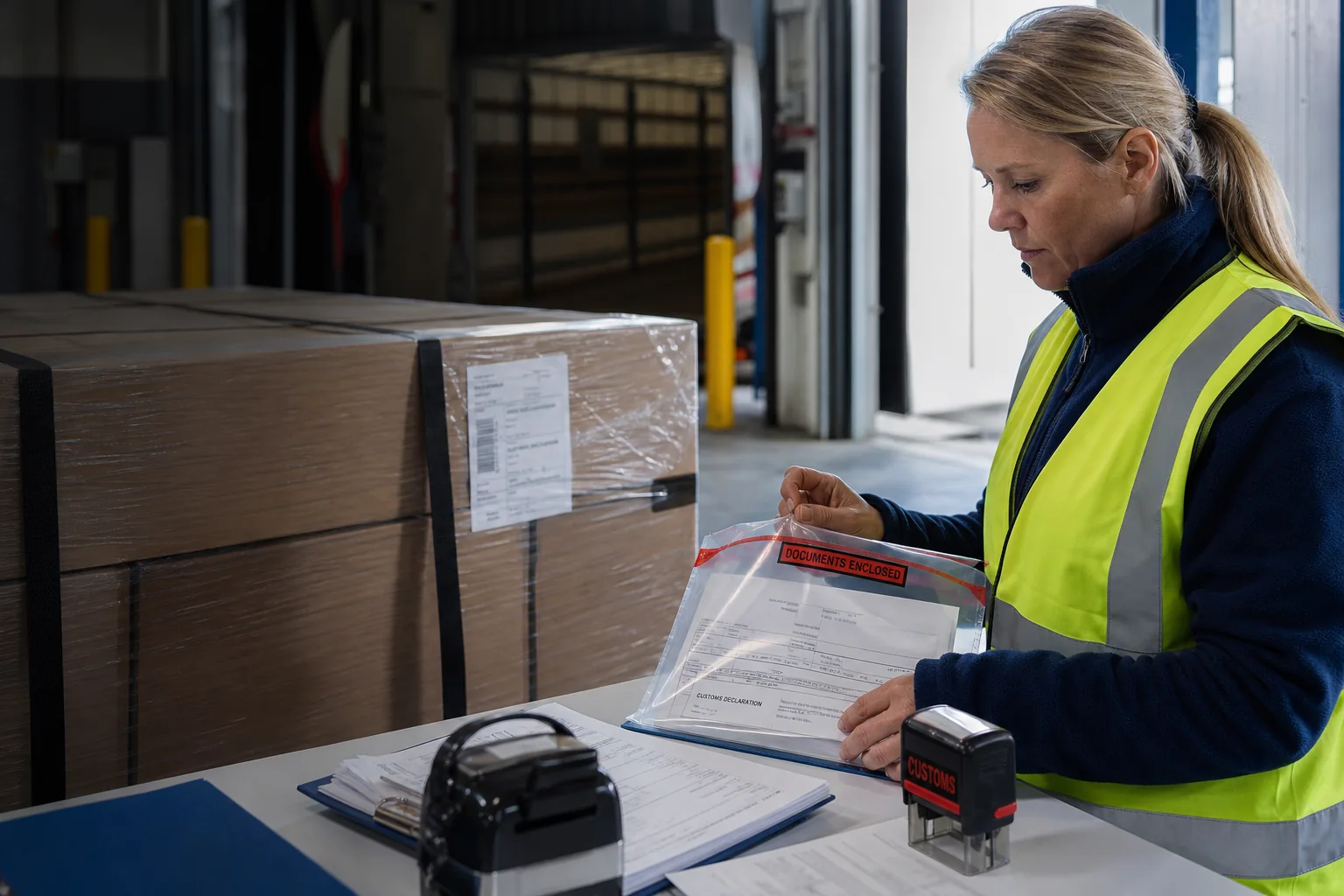
EORI Numbers and Customs Declarations for UK E-commerce After Brexit
Every UK seller importing stock needs a GB EORI number, a customs declaration through the Customs Declaration Service, and a decision on Postponed VAT Accounting. Getting the three set up correctly keeps goods moving and the import VAT off your cash flow.

The Settlement Timing Gap Between a Sale and a Stripe or Shopify Payout
A customer pays on the 30th; the cash lands in your bank on the 4th of the next month, net of fees. That few-day gap means the sale and its payout fall in different periods, and at a month or year end it quietly understates both your revenue and the money owed to you. A cut-off that recognises the in-transit balance puts it right.

Multi-Currency Sales and the Exchange Rate Variances That Distort Your Accounts
A dollar sale is worth one sterling figure when the customer checks out and another when the payout lands, and a third if the balance is still sitting with the processor at your year end. Those differences are exchange rate variances, they are real numbers your accounts have to carry, and getting them wrong quietly misstates both profit and the VAT you owe.

Who accounts for the VAT on your marketplace sales, you or Amazon?
A settlement report shows Amazon collected the VAT, but you are VAT registered too. Who actually accounts for marketplace VAT comes down to one test.

VAT on Dropshipping Goods Direct from China to UK and EU Customers
Dropshipping goods straight from a Chinese supplier to a UK or EU consumer creates a VAT problem that holding-stock sellers never face: the goods cross a customs border on every single order, and the value of each consignment decides who has to account for the VAT and when.